James Lu Week #16: Memories of the Fallen.
Memories of the Fallen
They say that when you die, there actually are two deaths: "when [on]e is buried in the ground and the last time someone says [one's] name." How do you remember those that came before us or have fallen? With us moving into Tim O'Brien's The Things They Carried and how the legacies of the dead, both "enemy" and ally, live on in our minds, the memories of the fallen are as relevant as can be.
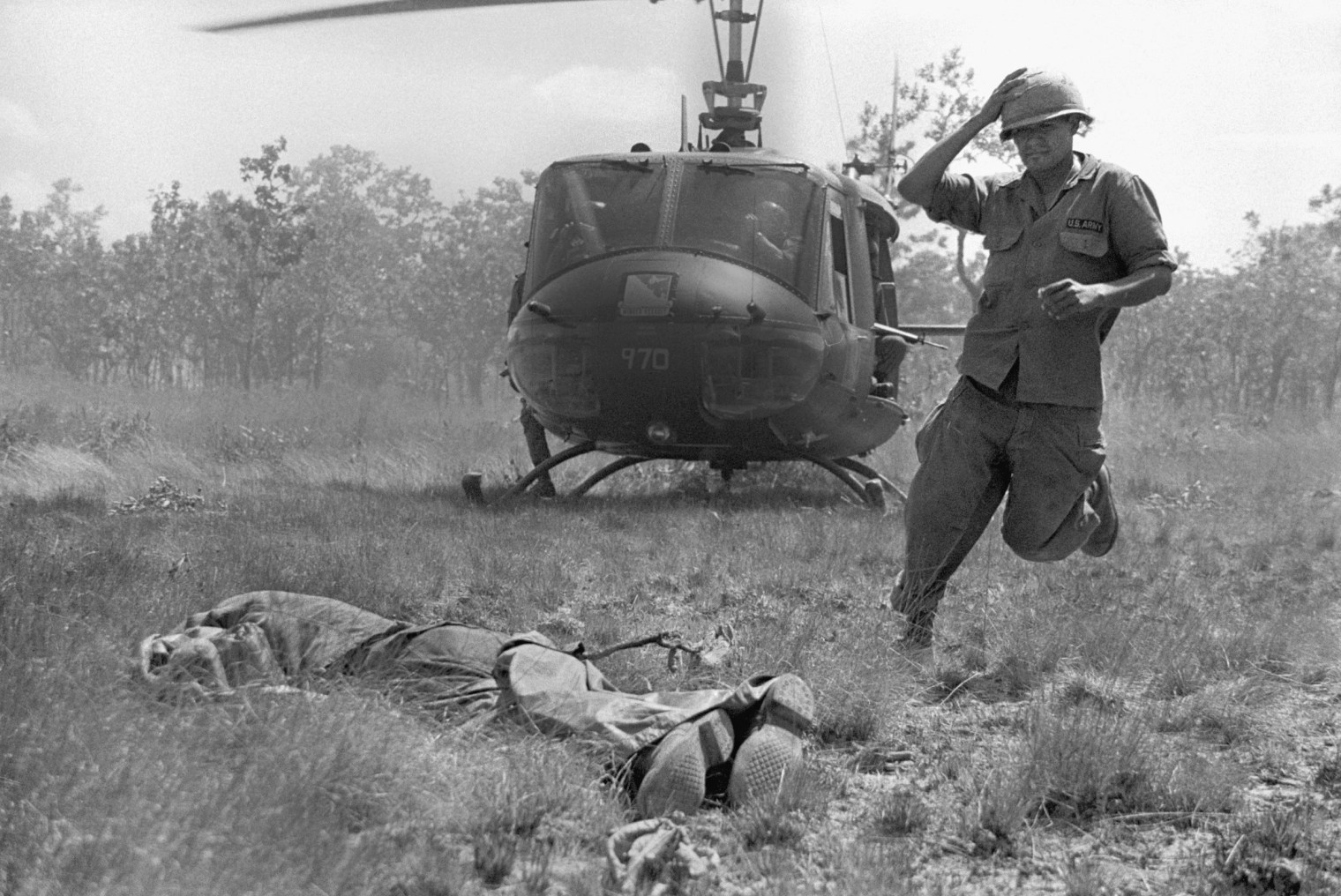
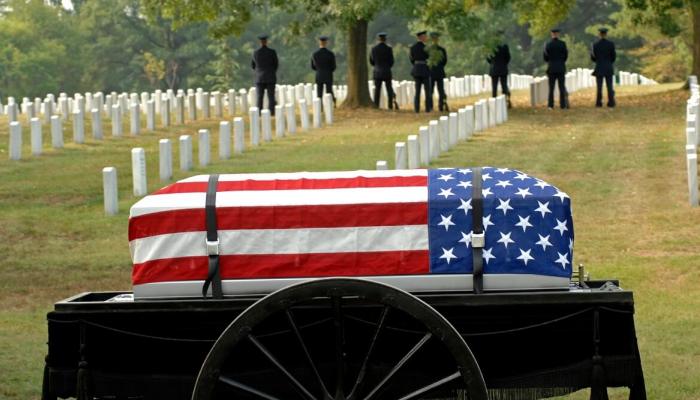
We may try to keep them alive in heart through any means necessary, but time softens all memories. Even as their faces fade, we try to honor their deeds. After all, that is all we have left. Somebody may have taken their life away, but we will forever remember their deeds (at least until we forget). Maybe this is nature's way of stating that we should forget the past, but somehow I doubt that. The memories of the past are far too important to just forget.


Hi James! Thank you for this heart touching blog that connects to our class book, Thing They Carried, as it allowed me to better understand the purpose behind reading this book and its significance to our lives. While I do not have any relatives who have fought in wars nor served the army, I have spent time learning about the lifestyle of these veterans after talking with my neighbor, who was a veteran from the Vietnam war. I agree that it is important we acknowledge their sacrifices as they are an important reason behind our happiness today and our current lifestyle. I am excited to interview my neighbor for the Things They Carried story and I hope to understand the struggles faced by these veterans and how they overcame them to fight for our happiness and peace. Thank you for the informational blog and I am hoping to expand my knowledge about veterans in the short future!
ReplyDeleteHi James! Your blog reminds me of the kids' movies the Book of Life and Coco, where after you die, you go into the afterlife, but you fade to dust when there are no living people to remember you. In second grade, we read an innocent passage about archeology and Native Americans and finding buried artifacts, but that passage made me think about how the Native Americans were long dead and we only knew they even existed from their bones and the things they left behind. So essentially, as a second grader, I became aware of my fear of death, and those two movies struck me as I watched them growing up. I think it was very brave for soldiers to sacrifice their life defending our country, which makes it even more important for those left alive to remember them and give meaning to their death.
ReplyDeleteThis perspective of death really emphasizes the transience of the human life. While our life is literally everything and our entire universe, our death will simply have been irrelevant after the passing of even a century. Whatever created importance in our life will simply not matter to the future, and whatever form of legacy left behind will disappear in the face of time. Time erodes all, whether you were the greatest or the worst. Leaving behind a substantial legacy has been a mild interest of mine, but seeing the grand picture of life as such has made creating a goal of such caliber extremely difficult. Doing our best to remember the dead and continue their legacy as long as possible seems to be the considerate and kind thing to do for loved ones and friends. The inconsequentiality of human life should not devalue the life it is, for although it means nothing to the grand scheme of the world, it literally is everything to the one living it.
ReplyDeleteHi James! I think one of the most inhumane aspects of war is its tendency to dehumanize the suffering of the combatants for those not directly involved. I often hear about how different wars had such large numbers of casualties, and it's easy to not really grasp the gravity of those statistics. It’s hard to understand the pain and sadness that each one of these individual deaths brought to their spouses, children, and families overall. It’s even harder now because our civilians are much less connected to our military. Memories of fallen soldiers should definitely be preserved in stories, as it does justice to soldiers and their families. Perhaps these memories should even be used as a warning for the future, to teach us the value of peace and diplomacy over conflict.
ReplyDeleteHi James, I think this was a really appropriate blog given that we have just finished reading The Things They Carry and Memorial Day is coming up. It is devastating but ultimately true that sooner or later, the dead are forgotten and they simply fade away, as the popular movie Coco expertly demonstrates. Luckily, we have novels like The Things They Carry that can preserve these stories and help future generations understand these stories as well. I think that we all have a moral responsibility to remember those who have passed away for as long as we can, and spread their stories so that their legacy can continue on. This is why days like Memorial Day are so important- they compel people to remember and think about those who have died protecting us. I actually heard something really profound today regarding veterans: “Those who died in war were young boys, and they lost two lives: The first being the life they are living, and the second being the life they would have lived.” I found this quote to be really profound as it really showed how veterans risk their entire futures for us. It is heartbreaking that so many of us are so busy with our own lives and our stress about things as trivial as our grades, that we do not even think about the many people who are fighting for their lives - people who are risking their futures for us. Your blog is a wonderful reminder to honor these veterans and these fallen heroes this Memorial Day, even if it is by doing something as simple as remembering them for five minutes.
ReplyDeleteHi James, I can see that you put a lot of heart into this post, and I really appreciate that. Similar to you, I have also been thinking a lot about the relationship between society and veterans over the past recent weeks. I agree that we cannot just forget the lives that were lost in the wars over the past decades. One way you referenced remembering them is through stories, like Tim O'Brien. Another way is through memorials and listening. But I think another really important part is making sure that lives like theirs will not be lost in the future. If we don't do that, we will always have to face the challenge that is remembering the past.
ReplyDeleteHi James, your blog post was pretty sad because I just remembered that our soldiers will not be remembered. We can put as many memorials as we want, but the truth is there is a high chance that nobody's legacy can truly be fully immortal. Whether it be Michael Jordan's, Davinci's, or Hammurabi's. Homo Sapien's have not been around long enough to test that claim, but it is truly possible. It is weird to think about the fact that someone can spend their whole life giving to the world and die without much acknowledgment.
ReplyDelete